Builder
Gibson Guitars
US · Montana
The tradition's namesake and reference point — Golden-era Gibson
Try one in person at 20 dealers · see them on the map →
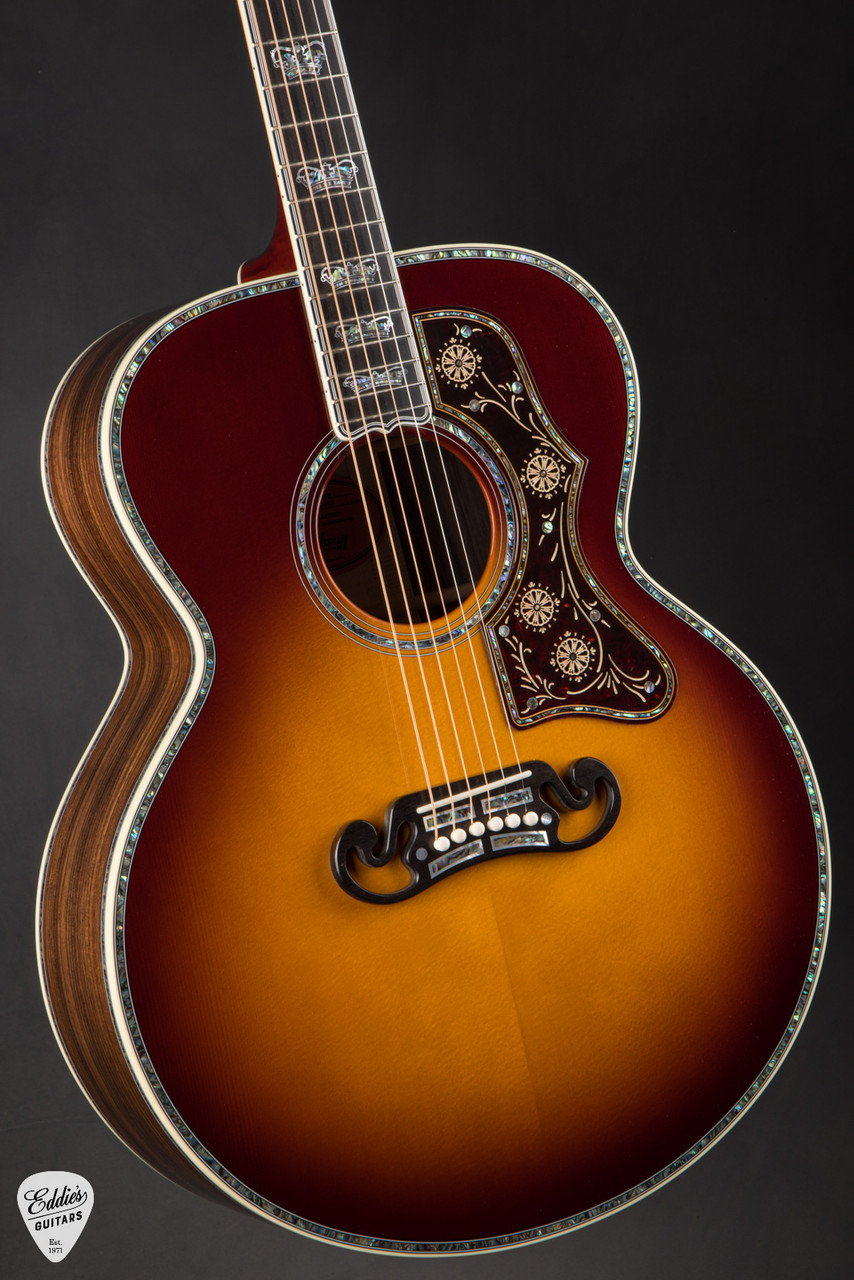
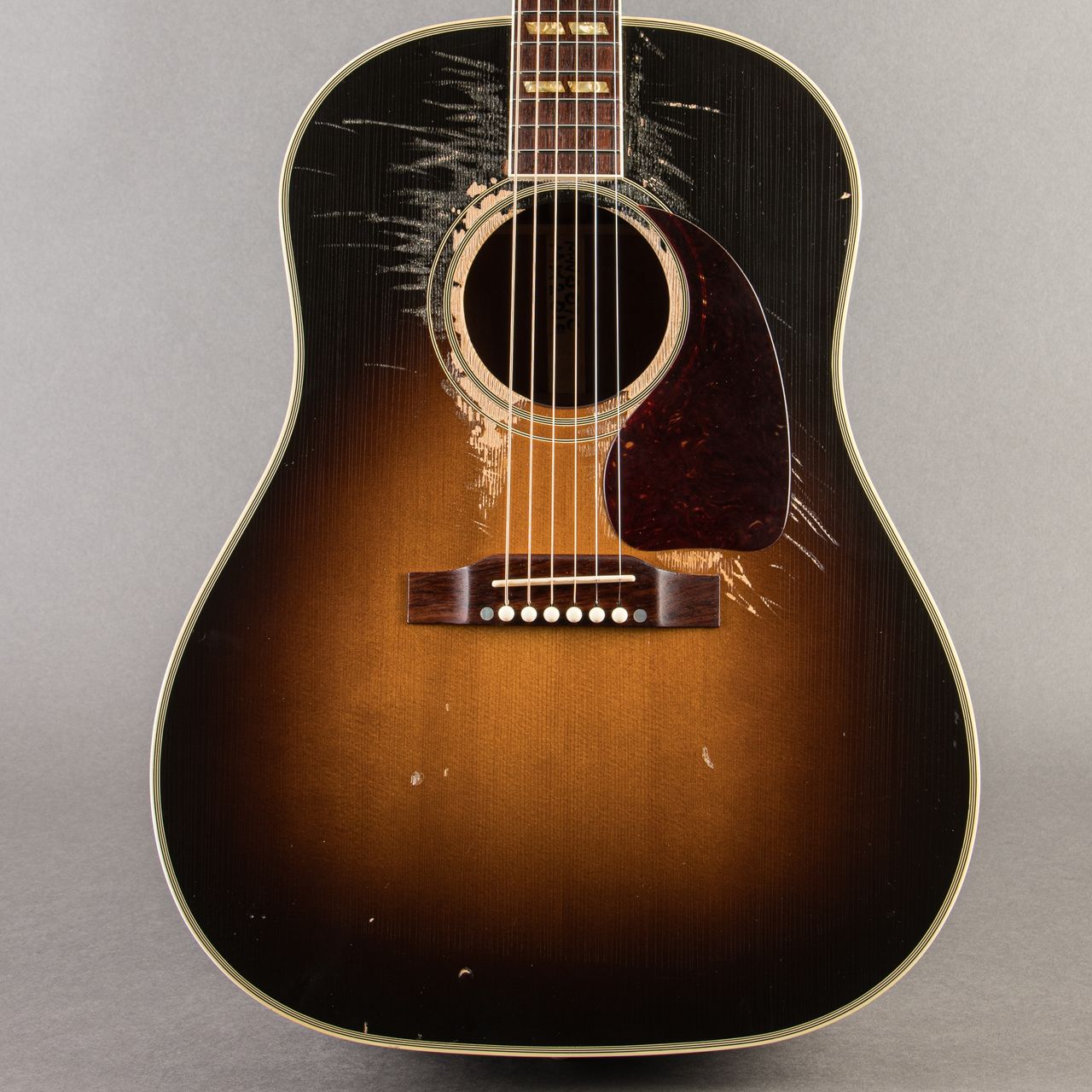
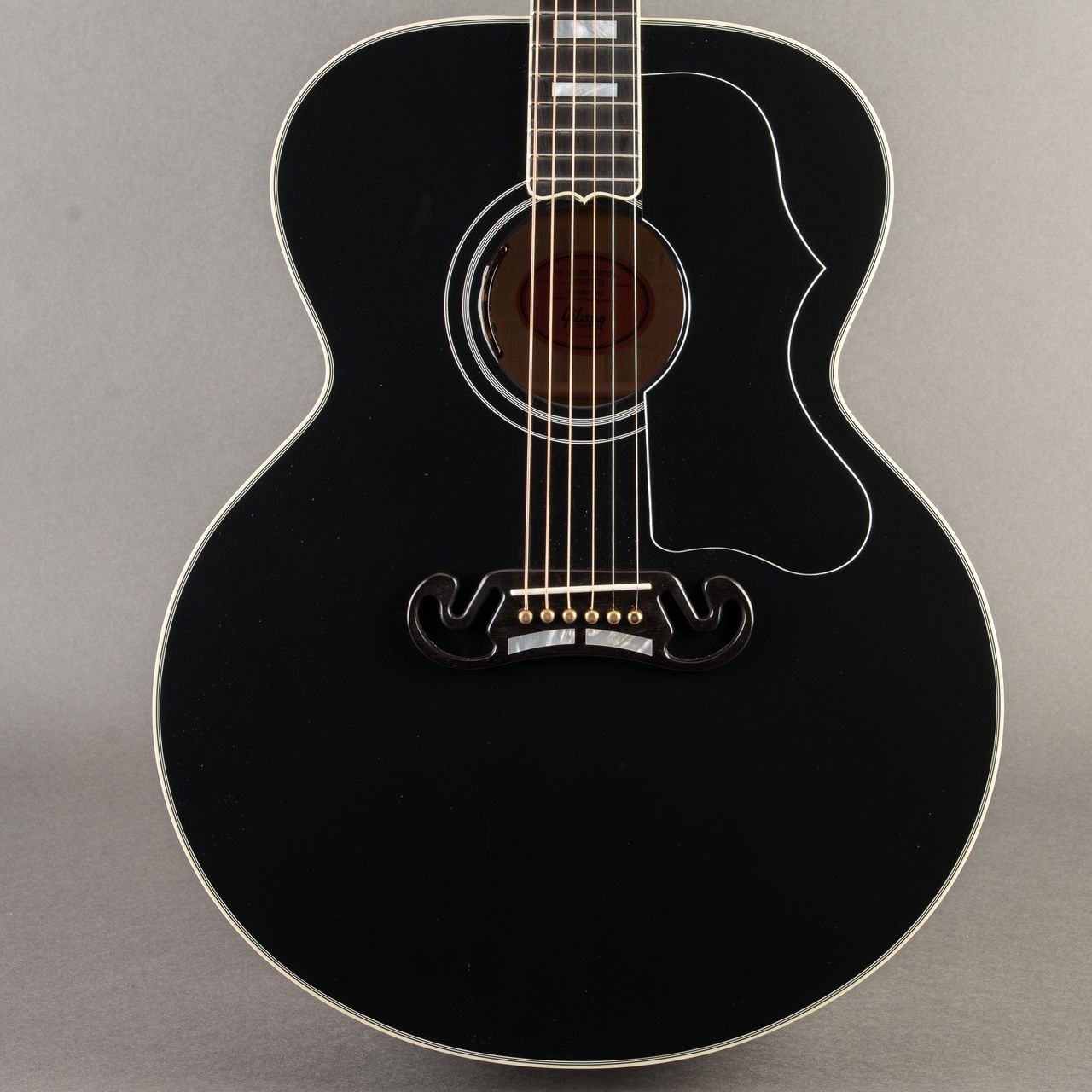
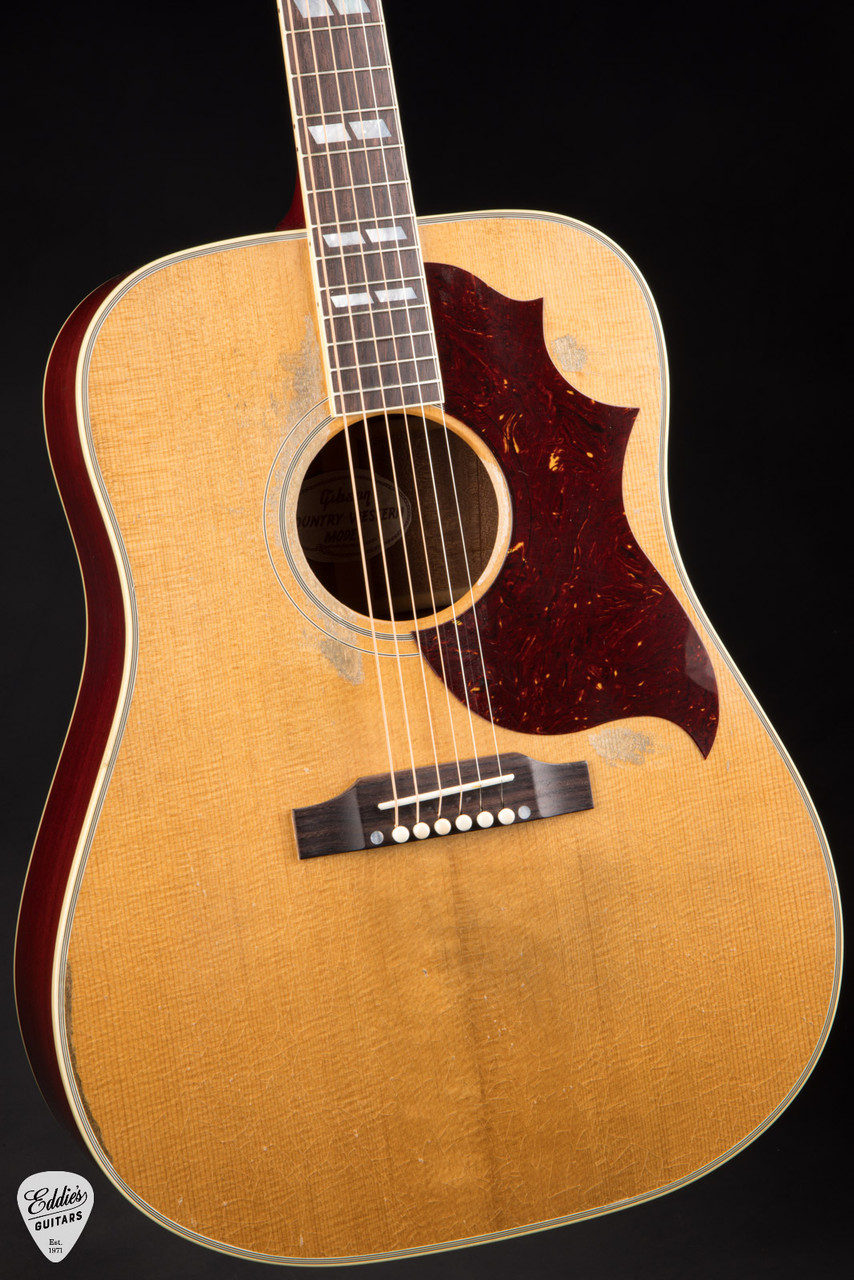
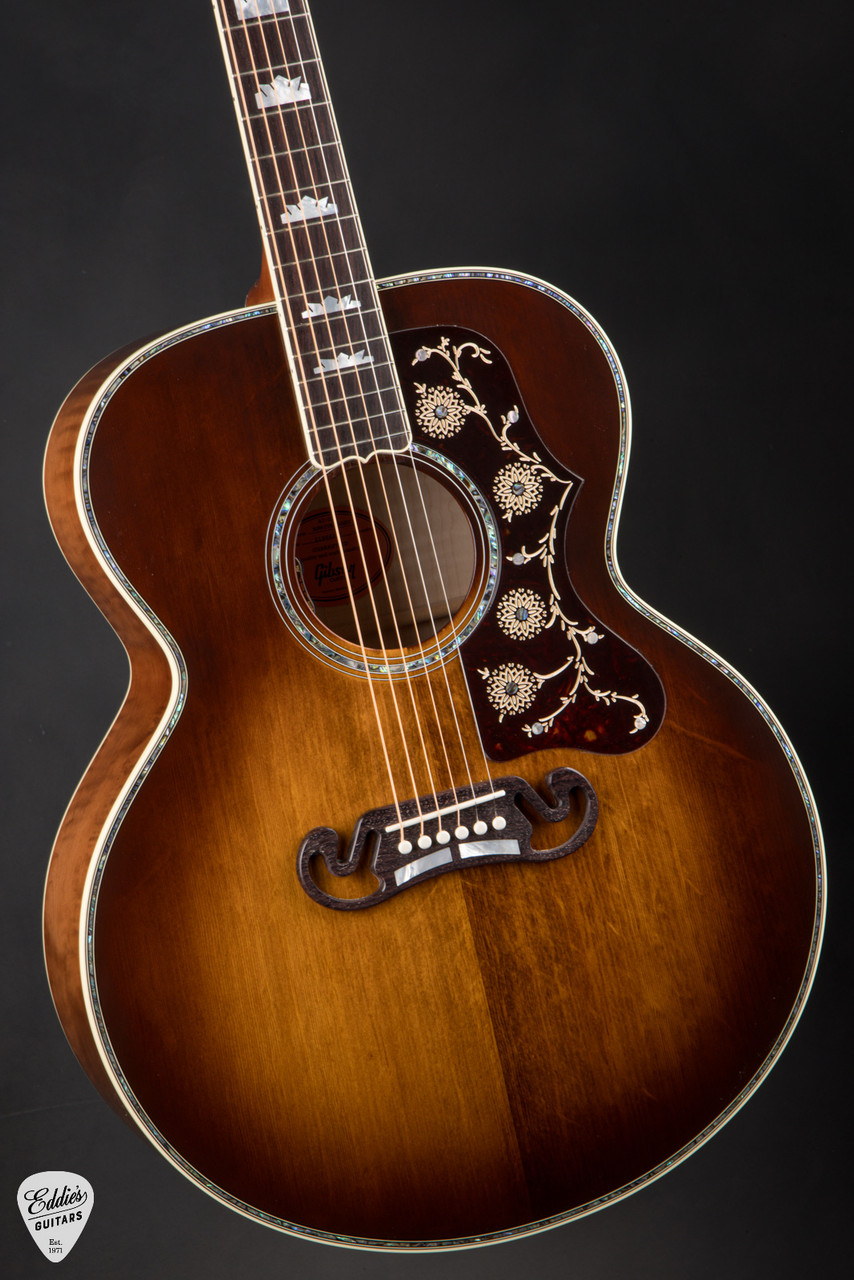
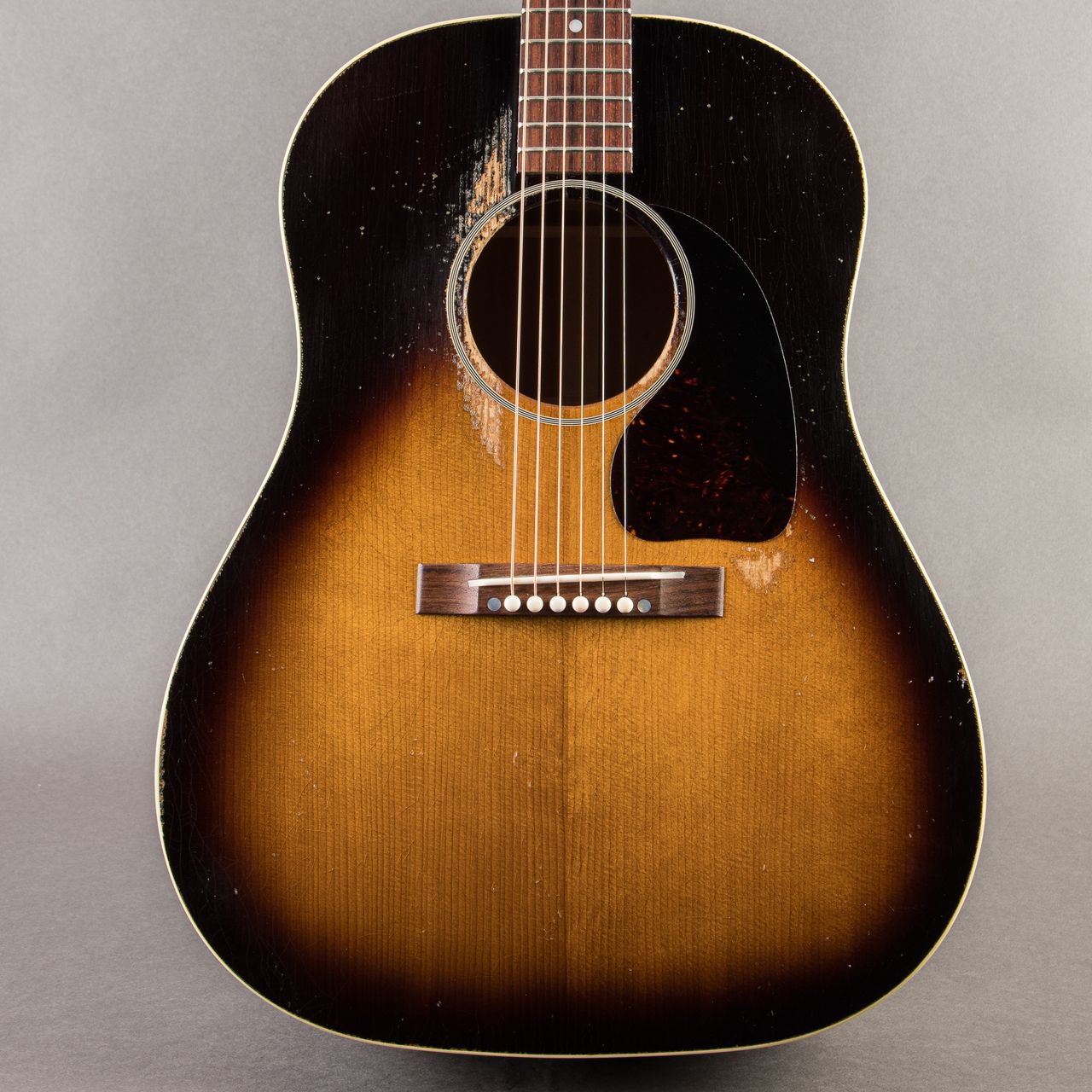
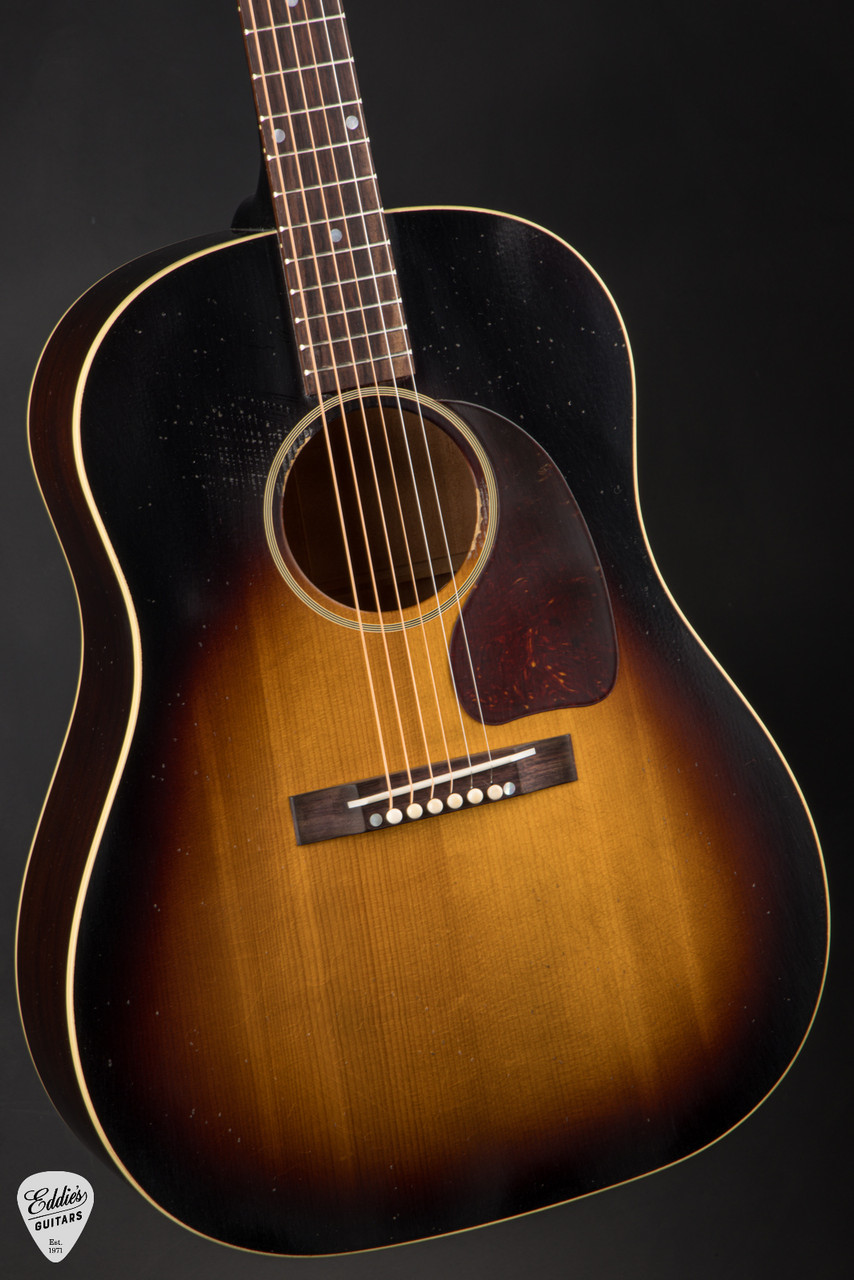
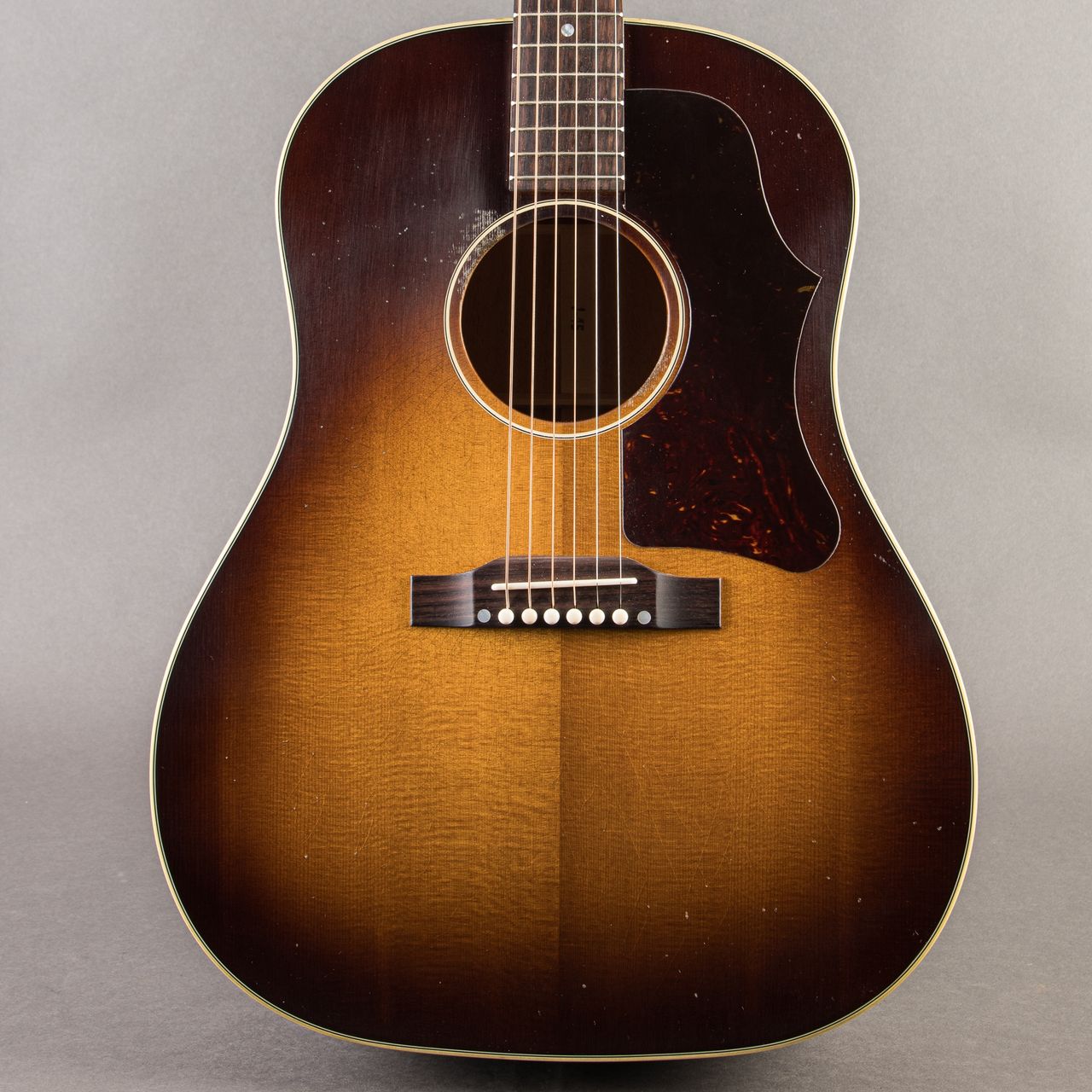
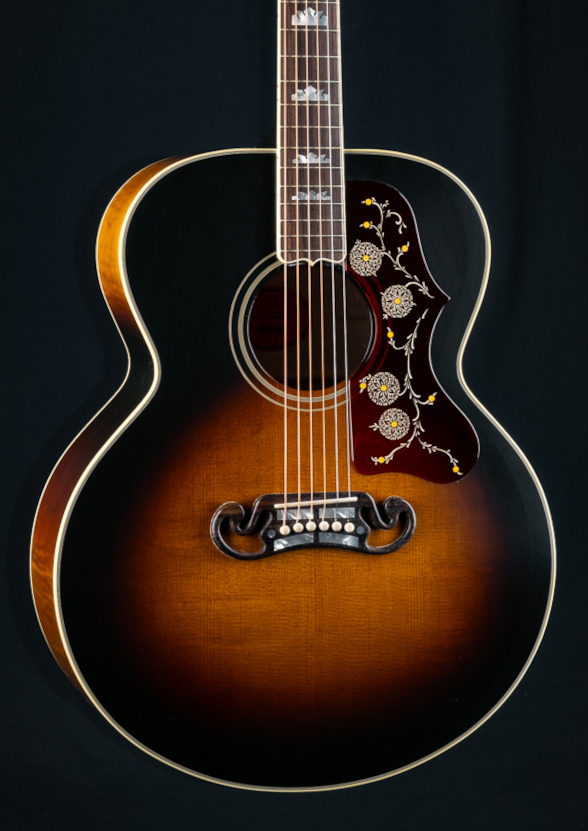
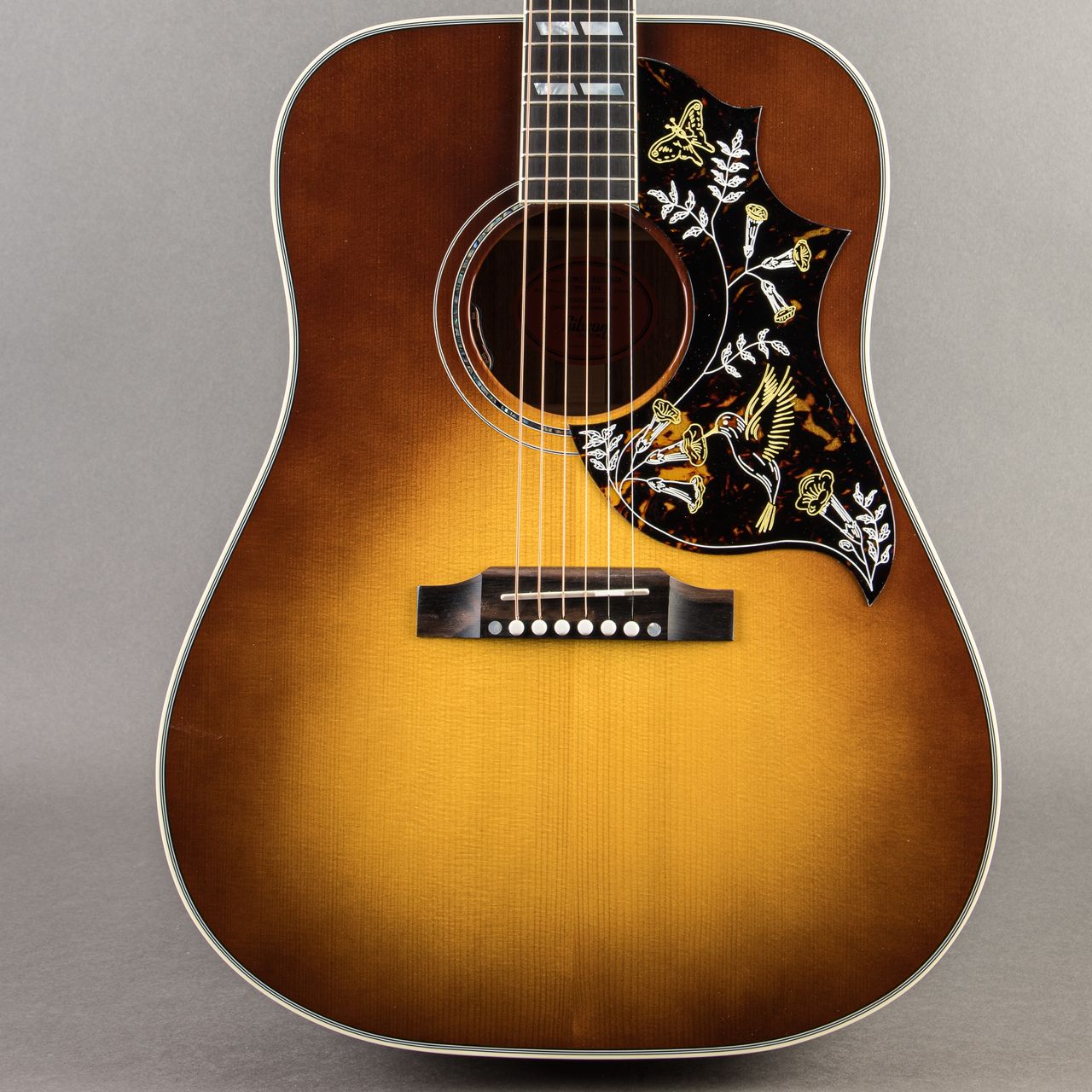
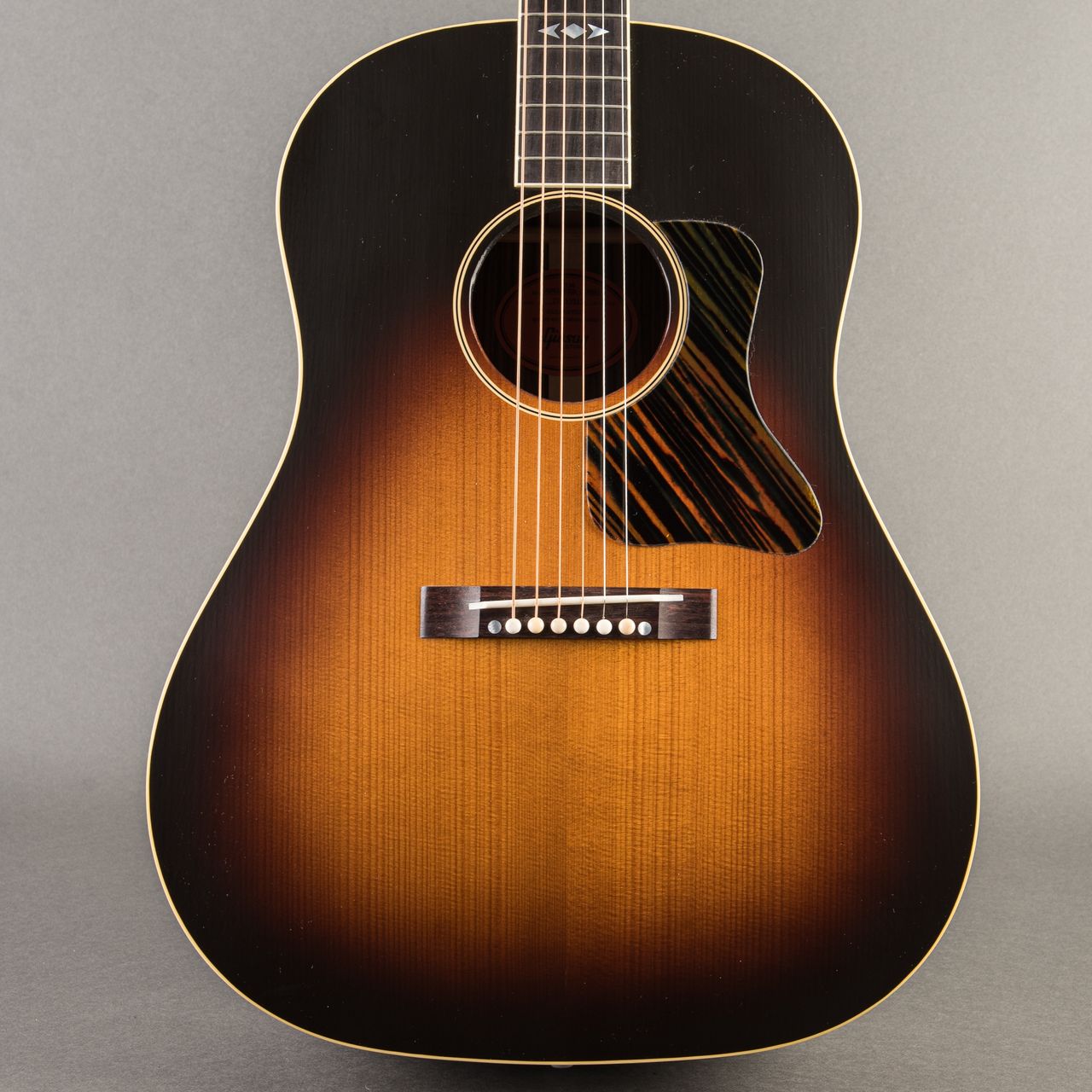
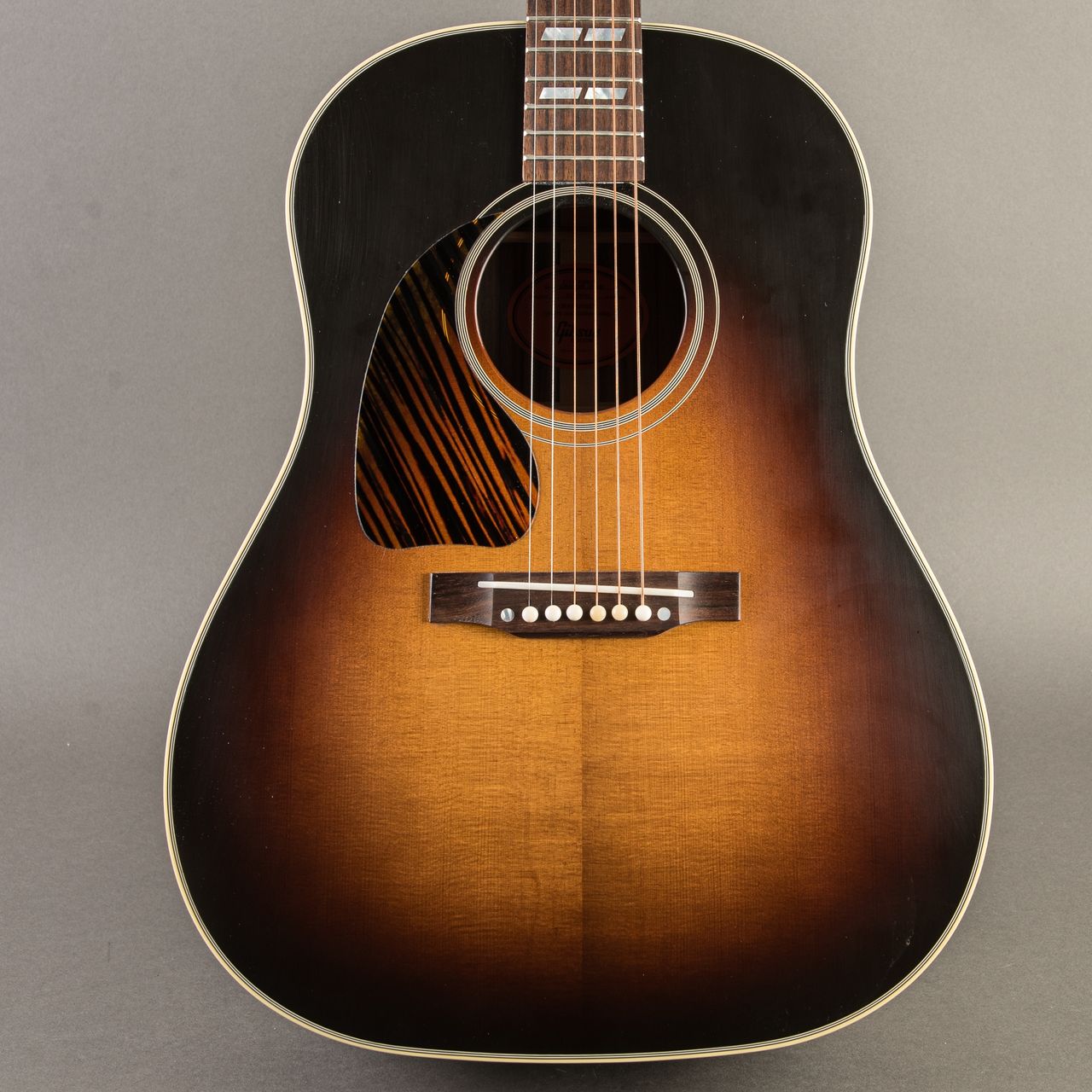
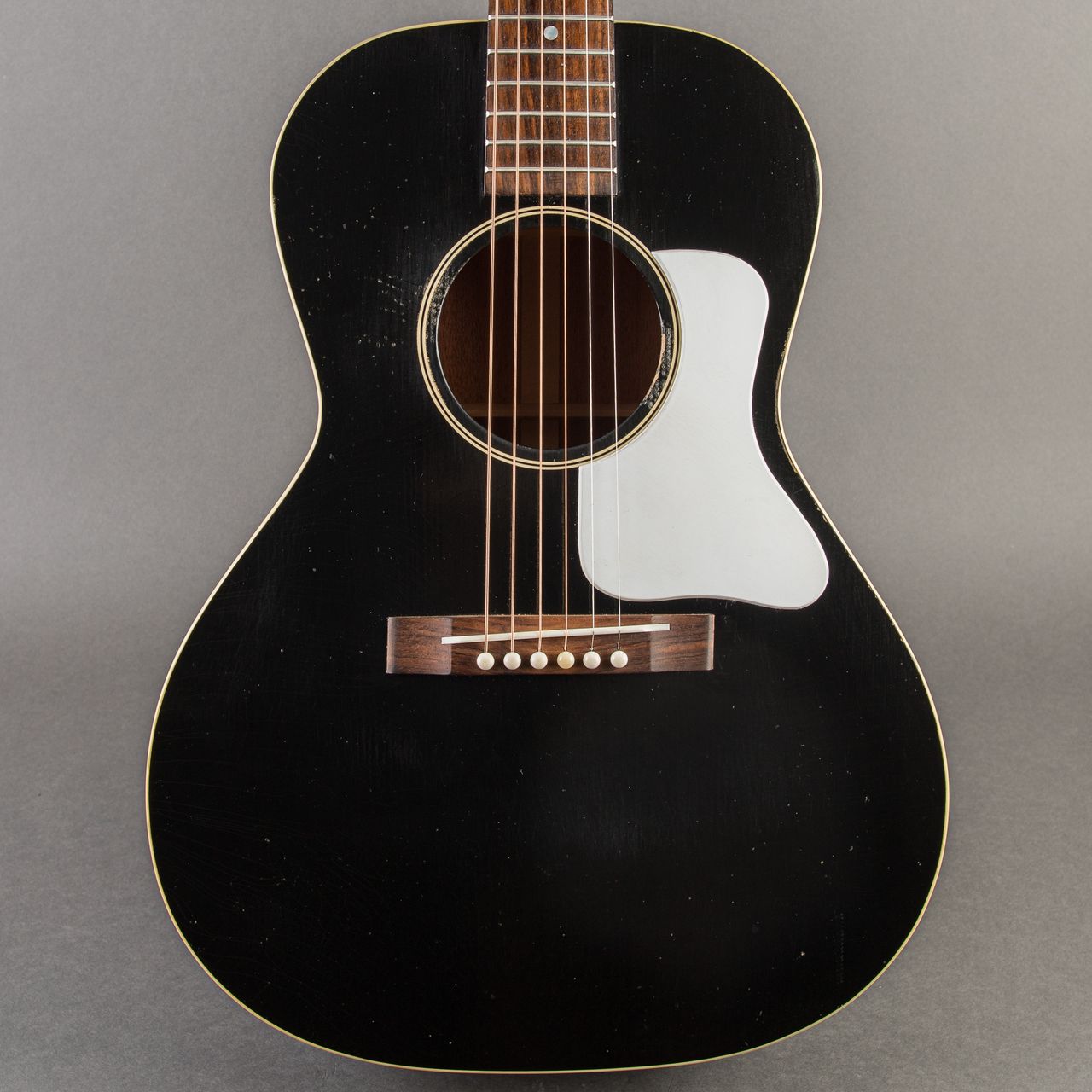
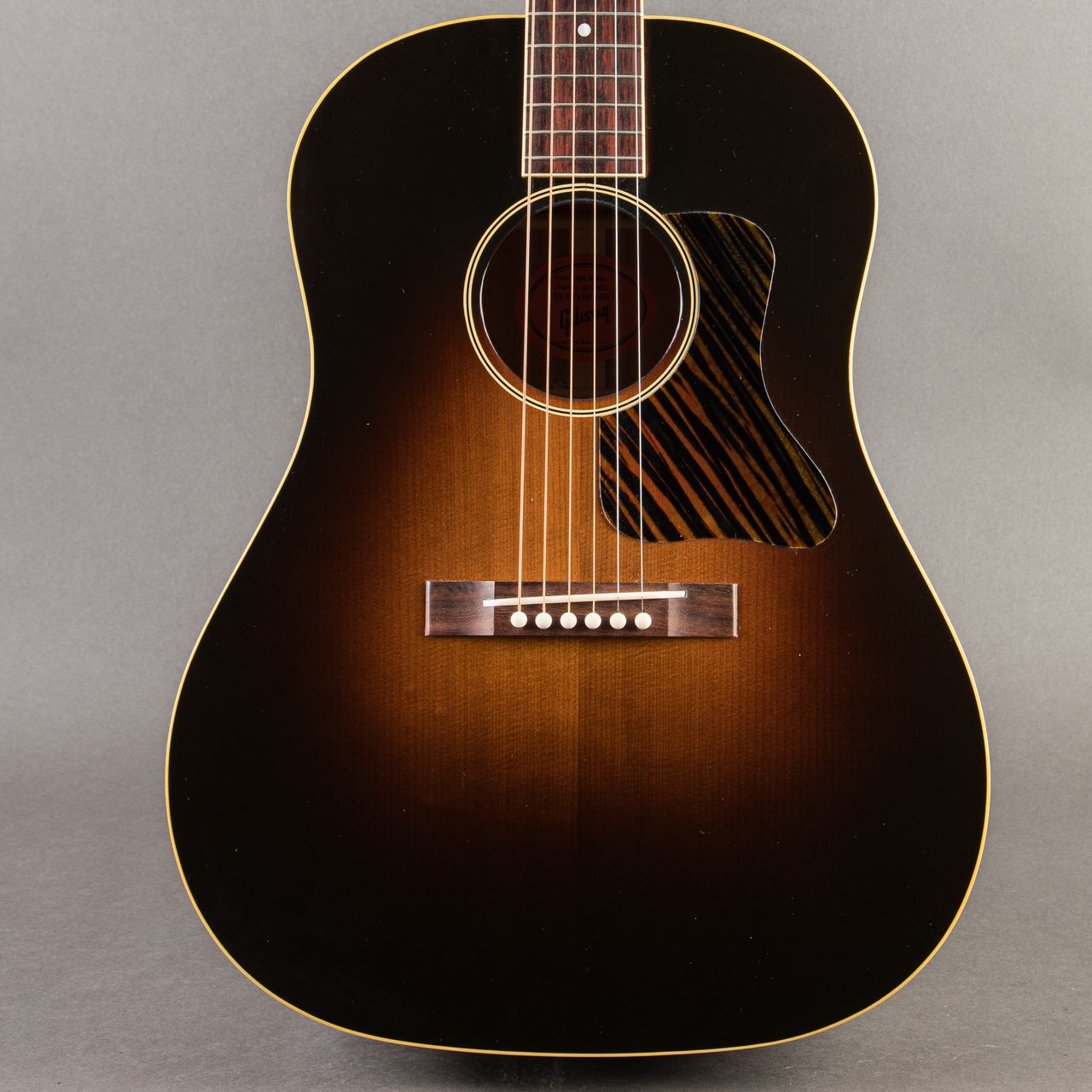
Founded in 1894, Gibson is one of the foundational names in American instruments, and the acoustic flat-tops it shaped — the J-45, the Hummingbird, the Advanced Jumbo — have run through nearly a century of popular music. Gibson still builds its acoustics by hand at its craftory in Bozeman, Montana, across a range that stretches from everyday production to one-off reissues. Only the top of that range falls within the Atlas's scope. The Atlas indexes the Gibson Custom end: the Historic reissues and Murphy Lab acoustics built in Bozeman. You won't find standard Original Collection or Modern Collection instruments here — not the everyday J-45 or Hummingbird — even when a Custom piece shares the model name. What appears is the limited, vintage-faithful work that sits alongside the boutique builders the rest of the Atlas covers. Gibson's Custom acoustic reissues recreate specific instruments from the company's back catalog — the 1942 Banner J-45, the 1936 Advanced Jumbo, the 1939 SJ-100 with its short-lived "stair-step" headstock — using period-correct methods: thermally aged tops (red or Sitka spruce), hand-scalloped X-bracing, hide-glue construction, and bone nuts and saddles. Each ships with a certificate of authenticity. The Murphy Lab takes those reissues a step further. Named for master artisan Tom Murphy, who helped create the Gibson Custom Shop and developed its guitar-aging process, the lab finishes instruments to look and feel like decades-old originals — Light Aged or Heavy Aged, with finish checking, subtle playwear, and rolled fretboard edges. Murphy's view is that the thin, checked nitrocellulose finish isn't only cosmetic: it lets the body vibrate more freely, so the guitar sounds the better for it. Because both the Custom reissues and their Murphy Lab versions are made in small numbers, what reaches the Atlas from Gibson is a narrow, rotating slice — the vintage-faithful, limited end, not the standard line.
Right now on the Atlas
as of Aug 3
30 distinct body & wood combinations — one that caught our eye: Adirondack spruce pairs with mahogany on this Double-O, a rare pairing in Gibson's current lineup.